
Silver Coating
Silvex provides silver coating that enhances the conductivity, corrosion resistance, and durability of critical components in high-demand industries. Our advanced silver plating process ensures consistent, high-quality finishes for applications in aerospace, defense, telecom, hospitality, and industrial sectors. Silver’s unmatched electrical and thermal conductivity make it essential for components that require long-term reliability and performance.
Learn more about additional plating options on our Plating Services page.
What Is Silver Coating?
Silver coating, also known as silver plating, involves applying a thin layer of pure silver to metal surfaces to improve performance. Silvex utilizes both rack plating and barrel plating methods to silver-coat various metals, including aluminum, brass, bronze, copper, steel, and stainless steel alloys.
The thickness of silver coatings can vary depending on the application:
- 1 micron for short-term shelf life and solderability.
- 10 microns for thermo-compression bonding and die attachment.
- Up to 50 microns for severe wear resistance in high-friction environments.
Silver’s natural properties, including high electrical conductivity, low contact resistance, and heat resistance, make it an ideal surface treatment for components exposed to extreme conditions.
Benefits of Silver Coating
Silver coating offers numerous advantages that enhance the performance and longevity of metal components:
- Exceptional Electrical Conductivity – Silver is the most conductive metal, making it essential for electrical connectors and industrial electrical components.
- Corrosion Resistance – Silver plating protects metal surfaces from oxidation and environmental damage, ensuring long-term durability.
- Improved Thermal Conductivity – Silver dissipates heat, which prevents overheating and enhances the performance of components under high-temperature conditions.
- Tarnish Resistance – Post-treatment with chromate can improve tarnish resistance, protecting the brilliant metallic luster of silver-coated components.
- Lubricity and Wear Resistance – Silver plating reduces friction and improves the wear resistance of components, which is crucial for moving parts.
Our Silver Plating Process
Silvex offers both matte and bright silver plating finishes to meet various industry specifications, including ASTM B 700, QQ-S-365, AMS 2411, and AMS 2412. Our silver coating process can be tailored to meet your project’s unique requirements, ensuring that each component receives the finish and thickness needed for optimal performance.
Our silver plating services accommodate components up to 48 inches long. Post-treatment options, such as chromate, enhance tarnish resistance, ensuring your components maintain their appearance and functionality over time.
Visit our Quality Standards page to learn how Silvex meets stringent industry certifications, including ISO 9001:2015. In addition, NADCAP certification is scheduled for 2025.
Silver Coating Applications
Silver coating is primarily used for industrial applications, particularly electrical connectors and telecommunication components. Silvex’s silver plating services are trusted across various industries for their ability to improve component performance in demanding environments:

Aerospace
Silver plating protects aerospace components, including turbine engines, electrical connectors, and sensors, from extreme heat and wear. The coating ensures reliable conductivity and reduces friction in mission-critical parts.
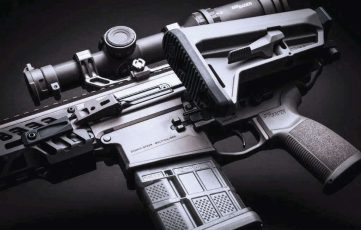
Defense
In the defense sector, silver coating enhances military-grade electrical components by improving their conductivity and corrosion resistance. These components must withstand harsh environments without compromising performance.

Industrial
Industrial machinery benefits from silver plating for its ability to handle high-temperature and high-friction environments. A silver coating also improves solderability, reducing maintenance needs and extending the equipment’s lifespan.
Frequently Asked Questions
What are the electrical benefits of silver plating?
Silver has the highest electrical conductivity of all metals, making it excellent for circuit components, connectors, and RF applications.
What industries commonly use silver-plated components?
Electronics, telecommunications, aerospace, and energy sectors frequently use silver plating for functional conductivity and EMI shielding.
How does silver plating compare to gold or nickel?
Silver offers better conductivity than both but tarnishes more easily. It’s also more cost-effective than gold.
Is silver plating suitable for high-temperature applications?
Yes, silver performs well under high-heat conditions, particularly in electrical contacts and power distribution components.
Can silver plating be used for both functional and decorative purposes?
Yes, although it’s primarily functional, silver plating can also be used for decorative applications like jewelry and cutlery.
Why Choose Silvex for Silver Coating Services?
With over 65 years of experience, Silvex has become a trusted provider of precision metal finishing. Our silver coating process adheres to stringent quality standards and meets industry-specific requirements, ensuring superior performance for every project.
We customize our plating services to meet the specific needs of clients across the aerospace, energy, defense, and medical industries. Whether you need silver plating for electrical connectors, turbine components, or industrial machinery, Silvex delivers reliable results with every project.
Visit our Quality page to learn more about our commitment to quality, innovation, and customer satisfaction.
Request a Quote for Silver Coating Services
Interested in enhancing your components with Silvex’s silver coating solutions? Contact Us to request a custom quote for your next silver plating project.