Companies anodize metal to enhance corrosion resistance, improve surface durability, and add aesthetic value all in one process. Anodizing transforms a metal surface into a robust, non-reactive layer that resists wear, abrasion, and environmental damage. Whether you’re in aerospace, defense, or medical manufacturing, this finishing method is both functional and visually appealing.
In this post, we’ll explore how anodizing works, what sets it apart from other finishing methods, and why so many industries trust it to extend product life and improve performance.
What Is Anodizing?
Anodizing is an electrochemical process that thickens and strengthens the natural oxide layer on metal surfaces, most commonly aluminum. Unlike plating, which adds material to the surface, anodizing transforms the outer layer of the metal into a durable, corrosion-resistant finish.
To anodize a part, the metal is first cleaned and placed in an electrolytic bath, typically containing sulfuric acid. An electrical current is then applied, turning the metal into the anode of the circuit. This causes oxygen ions from the electrolyte to combine with the metal atoms at the surface, forming a controlled, uniform oxide layer.
The resulting anodized layer is porous at the microscopic level, which allows it to be dyed for color customization. After dyeing (if applicable), a sealing process closes the pores to lock in color and further improve resistance to corrosion and wear. The final result is a hard, stable surface that won’t peel or flake, making it ideal for demanding applications where strength, appearance, and performance all matter.
The anodizing process can be tuned for various thicknesses and finishes, tailored to your specific needs. Explore our anodizing page to learn more about the options we offer.
Why Manufacturers Choose to Anodize Over Other Finishing Methods
Many manufacturers choose anodization because of its excellent corrosion resistance. Anodized aluminum withstands well in demanding environments, including marine, aerospace, and industrial applications. It resists salt, moisture, and chemicals—helping parts last longer and perform more reliably.
In harsh environmental conditions like those found in the energy and defense industries, that extra layer of protection can make all the difference. Many companies rely on anodizing to safeguard critical components in the most demanding applications.
Stronger, More Durable Surfaces
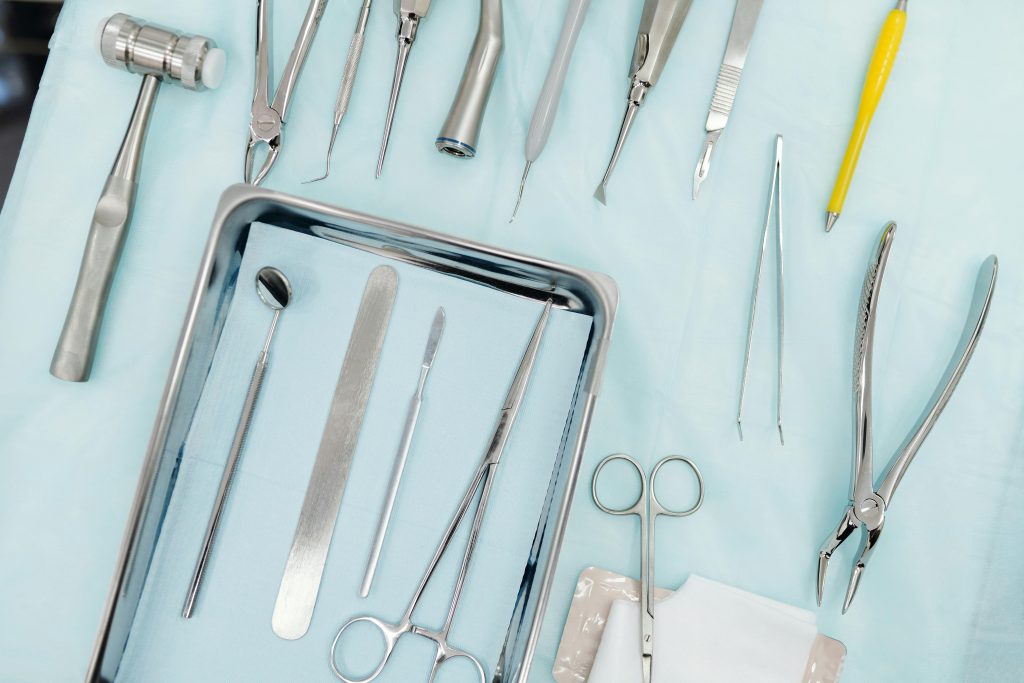
Anodizing also makes metal surfaces harder and more resistant to wear. This is especially important in high-contact applications, like surgical tools, aircraft parts, and industrial equipment.
Because the anodized layer becomes part of the metal, it won’t chip or flake off over time. It adds durability without changing part dimensions, which is ideal for precision components. Many of our customers choose Silvex anodizing for this exact balance of protection and accuracy.
Lightweight but Strong Protection
Unlike some plating methods, anodizing adds minimal thickness to the part, preserving detailed geometry and dimensional tolerances. That’s a key reason why it’s favored in industries like aerospace and advanced manufacturing, where every gram and millimeter counts.
Environmentally Responsible Finishing
Anodizing is a water-based, non-hazardous process that produces minimal waste and uses no heavy metals. It supports sustainability goals and compliance with strict industry regulations, including RoHS, REACH, and more.
That environmental accountability is one reason we’re trusted by medical, aerospace, and defense customers who rely on certified, responsible production practices.
Why Choose Silvex for Anodizing?
With more than six decades of experience, we anodize parts to exacting specifications and deliver services that combine technical excellence with responsive customer service. We work with complex part geometries, high-volume orders, and tight deadlines, all while maintaining uncompromising quality.
Our Quality Program includes ISO 9001:2015 certification and Nadcap accreditation, ensuring your project is completed to the highest standards. Our in-house lab, inspection tools, and dedicated team ensure every finish meets your exact requirements.
Increase Strength, Beauty, and Durability with Anodizing
If you’re looking to anodize aluminum components for aerospace, medical, or industrial use, our team can help you select the right process for your performance and aesthetic goals.
Contact Us to request a quote or discuss your next project with our team.