

The process to become NADCAP certified is a challenging one, which is exactly what distinguishes the good suppliers from the great suppliers. Businesses that are committed to putting in the effort in order to excel in their industry and offer top performance are, without question, the ones you want to work with. Below, we’ve outlined […]
News

Although silver may not always be top of mind when it comes to finishing, it is actually an excellent choice for electroplating—which is why it has been a staple of coinage and metal plating throughout history. In fact, silver electroplating has so many benefits that it is as viable an option for finishing as any […]

Electroless Nickel Plating (ENP) is a popular surface finishing technique used to apply a nickel-alloy coating, most commonly Nickel-Phosphorus, to a variety of materials. Unlike traditional electroplating, this process does not require an electric current. Instead, ENP uses a chemical method where nickel ions are reduced with a chemical reducing agent like sodium hypophosphite. Known […]
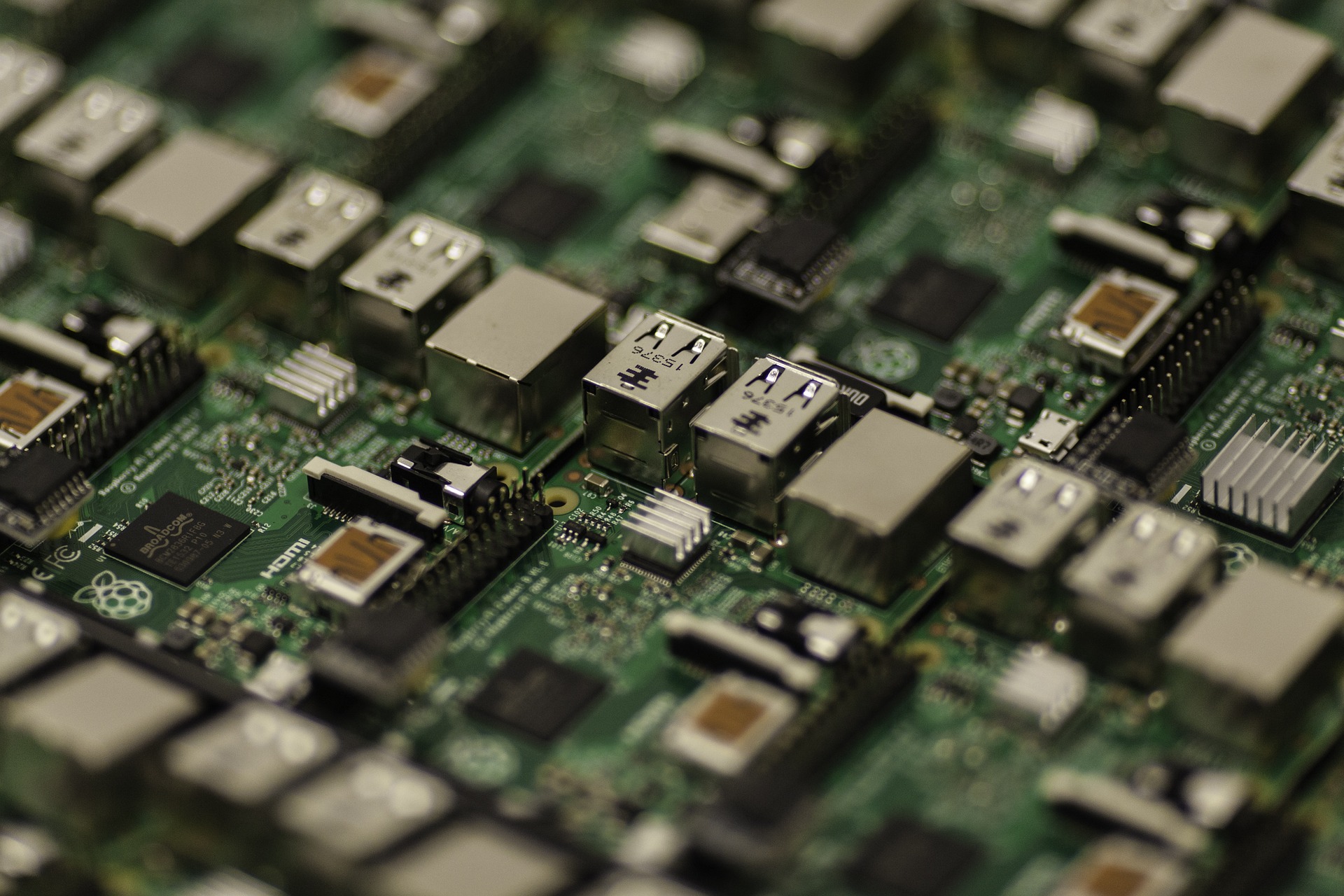
Gold plating is a popular surface finishing technique where a thin layer of gold is applied to another metal through chemical or electrochemical plating. But how thick is gold plating? How durable is gold plating, and how long does it last? If you’re working on a project that requires gold plating, our comprehensive gold plating […]
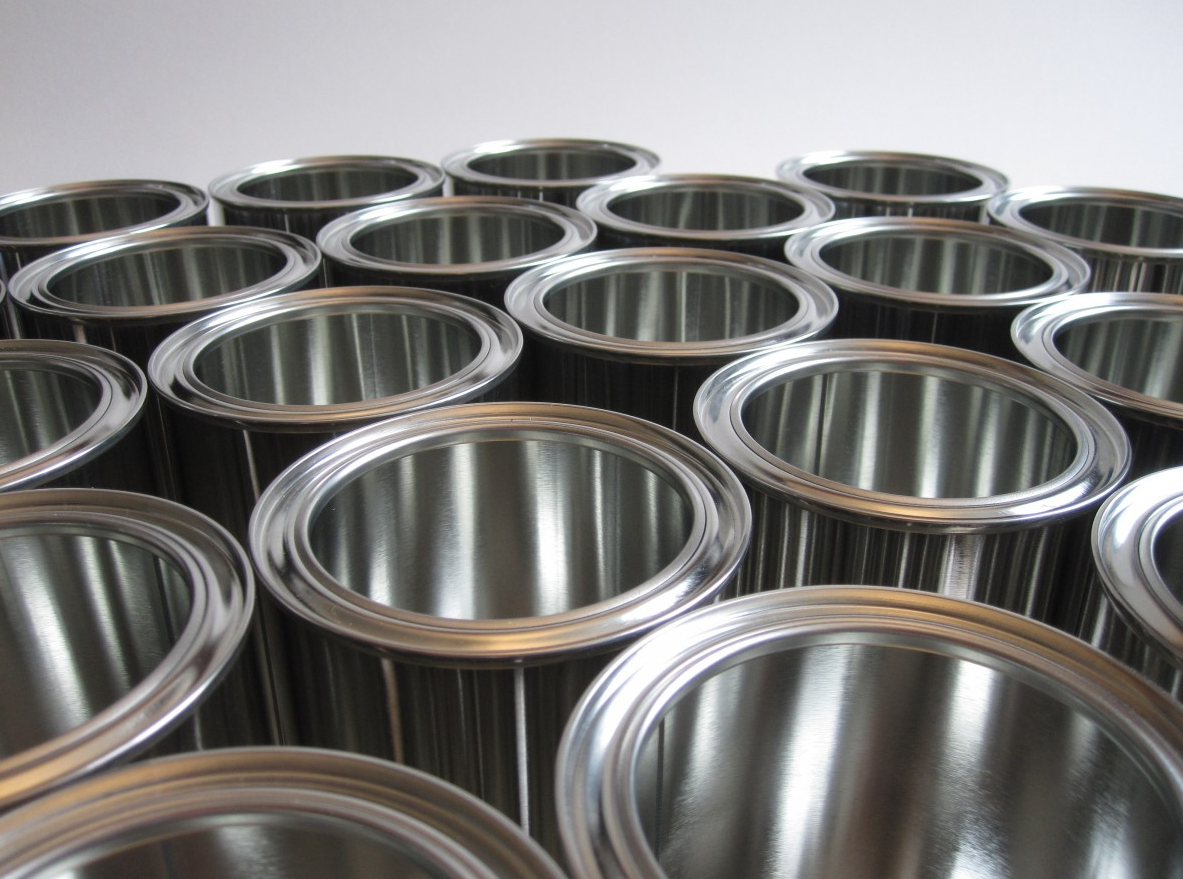
In the surface finishing industry, the term “anodizing” is very common and is frequently mentioned – but what is anodizing exactly? What does anodizing mean? Anodizing is a process that converts the surface of a non-ferrous metal into a corrosion-resistant, decorative, non-conductive oxide. It is a very common finishing technique for aluminum, although other metals […]
Platinum plating solutions provide countless benefits to the end-user, making it an extremely popular surface finishing option and an overall great investment for your applications, regardless of the industry you’re in. Platinum plating is the deposit of a thin layer of platinum metal on a substrate, typically in the 0.5 to 5-micron range (0.00002”-0.0002”) and […]