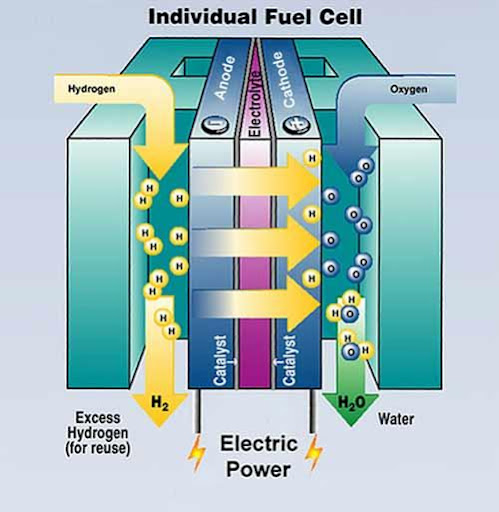
The global push towards clean energy is driving innovation in technologies that can help reduce carbon emissions. One such technology is the electrolyzer, a crucial component in the production of green hydrogen. Green hydrogen, generated using renewable energy sources, has emerged as a vital element in the transition to sustainable energy systems. In this article, we will explore what electrolyzers are, how they work, and why they are essential in the pursuit of green energy.
What is an Electrolyzer?
An electrolyzer is a device that uses electricity to split water molecules into hydrogen and oxygen through electrolysis. Electrolyzers enable the production of hydrogen, which can be used in various applications, including energy storage, transportation, and industrial processes.
What makes this process “green” energy production is that the electricity powering the electrolyzer is derived from renewable sources like solar, wind, or hydropower. This results in zero-carbon hydrogen, which can contribute to decarbonizing industries such as transportation, manufacturing, and energy generation.
How Does an Electrolyzer Work?
The basic operation of an electrolyzer involves three main components: an anode, a cathode, and an electrolyte. Water molecules are split when electricity flows between the anode and the cathode. The reaction at the anode generates oxygen, while hydrogen gas is produced at the cathode.
Steps in the Electrolysis Process:
- Water Supply: Water is supplied to the electrolyzer. This water is typically purified for optimal performance by preventing impurities from negatively affecting the process.
- Electricity Input: The electricity required to drive the electrolysis process is applied to the electrolyzer’s electrodes. This current facilitates the chemical reaction that splits the water molecules.
- Hydrogen and Oxygen Separation: The electrolyzer’s catalyst-coated membranes allow only specific ions to pass through. This separation collects pure hydrogen on one side and oxygen on the other.
- Hydrogen Collection: Once produced, the Hydrogen can be stored, transported, or used immediately in applications like fuel cells or industrial processes.

Types of Electrolyzers
There are several types of electrolyzers, each with unique characteristics, depending on the materials used and the operating conditions. The most common types include:
- Polymer Electrolyte Membrane (PEM) Electrolyzers: These electrolyzers use a solid polymer as an electrolyte. They operate at relatively low temperatures (60-80°C) and are well-suited for dynamic energy sources like wind and solar. PEM electrolyzers are known for their compact design and fast response times, making them ideal for small to medium-scale applications.
- Alkaline Electrolyzers: Alkaline electrolyzers use a liquid alkaline solution as the electrolyte and typically operate at temperatures just below 100°C. This type of electrolyzer has been used for decades and is highly reliable, although it is generally bulkier than PEM systems.
- Solid Oxide Electrolyzers (SOECs): Operating at high temperatures (500-850°C), SOECs are known for their high efficiency. They convert water into hydrogen and oxygen by utilizing electricity and heat, which can be sourced from industrial processes or power plants. The high efficiency of SOECs makes them suitable for large-scale hydrogen production, although they require more complex infrastructure.
The Role of Electrolyzers in Green Hydrogen Production
Electrolyzers are pivotal in producing green hydrogen, which has numerous applications across industries. Green hydrogen is a clean fuel that can replace fossil fuels in energy-intensive sectors, including heavy transportation, steel manufacturing, and chemical production.
Unlike traditional hydrogen production methods, which rely on natural gas or coal and emit significant greenhouse gases, green hydrogen produced via electrolysis is emissions-free when powered by renewable energy.
Key Applications of Green Hydrogen:
- Energy Storage: Fuel cells can store hydrogen for long periods and convert it back into electricity, providing a way to store excess energy generated by renewable sources during peak production times.
- Transportation: Hydrogen fuel cells can power vehicles, including cars, trucks, and buses, offering a clean alternative to fossil fuels. This application is particularly valuable for sectors like long-haul trucking, where battery-electric solutions may not be practical due to weight and range limitations.
- Industrial Use: Green hydrogen is increasingly being used to replace conventional hydrogen in industrial processes, such as ammonia production for fertilizers and refining steel. This shift helps reduce the carbon footprint of industries that have historically been challenging to decarbonize.
Benefits and Challenges of Electrolyzer Technology
One key benefit of electrolyzers is their ability to produce hydrogen without generating harmful emissions, provided the electricity comes from renewable sources. They also offer versatility in energy storage and can support the balancing of grids powered by intermittent renewable energy.
However, there are challenges associated with electrolyzer technology. One of the main barriers to widespread adoption is the cost. Electrolyzers, particularly the advanced solid oxide types, require significant investment in materials and infrastructure. Additionally, the efficiency of different kinds of electrolyzers varies, with some systems requiring more energy input to produce the same amount of hydrogen.
Conclusion: A Path Forward with Green Hydrogen
Electrolyzers are essential to the future of green energy, offering a way to produce clean hydrogen that can decarbonize multiple sectors of the economy. As technology advances and costs decline, electrolyzers will become an even more integral part of global energy systems, enabling the transition to a more sustainable, low-carbon future.
To learn more about how Silvex is supporting the development of hydrogen fuel cell technology and how you can leverage it in your industry, visit our alternative energy page or contact our team.